







News Detail
How to Choose the Right Welding Platform Manufacturer: A Complete Supplier Evaluation Guide
author:hxrtools Time:2026-07-15 12:36:29 Click:76
Investing in a welding platform is a decision that shapes your workshop's capability for years to come. The difference between working with a manufacturer who delivers consistent quality and responsive support versus a supplier who treats your order as just another line item can be substantial. Understanding what separates the best manufacturers from the rest helps procurement decision-makers evaluate suppliers objectively and select partners who contribute to long-term operational success.
Vertical Manufacturing Capability as a Quality Indicator
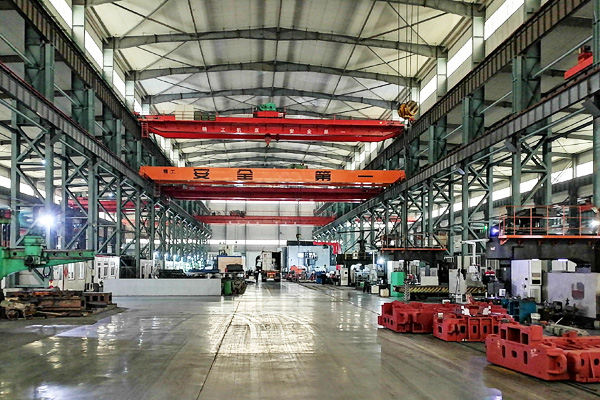
The most reliable welding platform manufacturers control every stage of production in-house, from foundry operations and raw material preparation through machining, heat treatment, and final quality inspection. Vertical integration is a meaningful quality indicator because it means the manufacturer has direct oversight of each process rather than relying on external suppliers whose quality standards may differ.
Visiting a potential manufacturer's facility reveals a great deal about their operational capabilities. Look for evidence of modern CNC machining centers, coordinate measuring equipment, heat treatment furnaces, and quality documentation systems. A well-maintained facility with organized production workflows generally produces more consistent results than a cluttered operation running older equipment with improvised processes.
Foundry capability is particularly important for cast iron platform manufacturers. The properties of the cast iron used in the platform's construction—including graphite flake structure, tensile strength, and residual stress levels—are determined during the casting process. A manufacturer who casts their own platforms can optimize the iron chemistry and solidification process for the specific requirements of welding platform applications, rather than accepting whatever properties the casting supplier provides.
Quality Management and Certification Standards
Established manufacturers typically operate under documented quality management systems that govern every aspect of production, from incoming material inspection through final flatness certification. ISO 9001 certification is the most widely recognized quality management standard and provides a baseline assurance that the manufacturer has systematic processes for controlling quality, managing non-conformances, and pursuing continuous improvement.
Beyond general quality management certifications, look for manufacturers who invest in precision metrology equipment and traceable calibration programs. A manufacturer who can provide calibrated flatness certificates referencing national standards gives you confidence that the platform you receive meets its published specifications. Without traceable calibration, a manufacturer's flatness claim is merely an assertion, not a verified fact.
Material certifications should accompany cast iron platforms, documenting the iron grade, tensile properties, and chemical composition. These certifications provide assurance that the platform was produced from appropriate materials and support quality documentation requirements for customers operating under quality management system audits.
Application Engineering and Technical Support
Suppliers who only offer catalog products without engineering consultation may lack the capability to support complex or non-standard requirements. Evaluate whether a manufacturer asks detailed questions about your application before quoting, or whether they simply match your requested dimensions to a standard product with minimal discussion.
The most valuable manufacturers act as technical partners who contribute application expertise to the specification process. They can suggest platform configurations optimized for your specific needs, recommend fixture approaches for challenging workpiece geometries, and advise on maintenance practices that extend platform service life. This consultative approach delivers better outcomes than a transactional supplier who provides only what was explicitly requested.
Post-sale technical support matters as well. Ask about the manufacturer's resurfacing and re-certification services, spare parts availability, and response times for technical inquiries. A manufacturer who maintains an active service business is better positioned to support platforms throughout their extended service life than one who focuses exclusively on new production.
Production Capacity and Lead Time Realism
Evaluate whether a manufacturer has adequate production capacity to meet your delivery requirements without compromising quality. Manufacturers running at full capacity may rush orders or skip inspection steps to meet deadlines. Ask about current lead times and compare them against the manufacturer's stated capacity and order backlog.
Lead time quotes should be realistic and include allowances for engineering review, customer approval cycles, and any custom tooling or pattern work required. An unrealistically low quote may indicate that the manufacturer plans to shortcut the process or will miss the deadline anyway. Transparent manufacturers provide detailed lead time breakdowns that account for each production stage.
Geographic proximity affects logistics costs and communication ease, but it should not override quality and capability considerations. A quality manufacturer located farther away who delivers a better product with stronger technical support is often a better choice than a convenient local supplier who lacks the capabilities your application requires.
Evaluating References and Track Record
Request references from customers in your specific industry before making a commitment. A manufacturer who supplies precision platforms to aerospace customers has demonstrated the ability to meet stringent quality requirements, but their experience may not translate directly to a structural steel fabrication environment where different specifications and inspection protocols apply.
Review the manufacturer's history and track record. Companies with established histories dating back many years have demonstrated staying power and accumulated application experience that newer entrants cannot easily replicate. While experience alone does not guarantee quality, it provides a reasonable basis for confidence.
Industry reputation, online reviews, and trade publication coverage all contribute to a comprehensive supplier evaluation. Speaking directly with current customers provides unfiltered feedback on delivery experience, product quality, and ongoing support responsiveness that helps validate your assessment.
The right manufacturing partner contributes far more to your operation than the physical platform they deliver. Building a relationship with a capable and responsive manufacturer pays dividends across every production year of the platform's service life.
References:
International Organization for Standardization. (2015). ISO 9001: Quality Management Systems—Requirements. Geneva: ISO.
American Society of Quality. (2020). ASQ Certified Quality Engineer Handbook (4th ed.). Milwaukee, WI: ASQ Press.
Juran, J. M., & De Feo, J. A. (2010). Juran's Quality Handbook: The Complete Guide to Performance Excellence (6th ed.). New York, NY: McGraw-Hill.
 HOT PRODUCTS

 CONTACT US
—— E-mail:project@haoranmj.com
—— Whatsapp:+86 18932785670
—— Tel:+86 18932785670
—— Add:Across from Sanjing Distillery on Road 4, Botou Economic Development Zone, Cangzhou City, Hebei Province