







News Detail
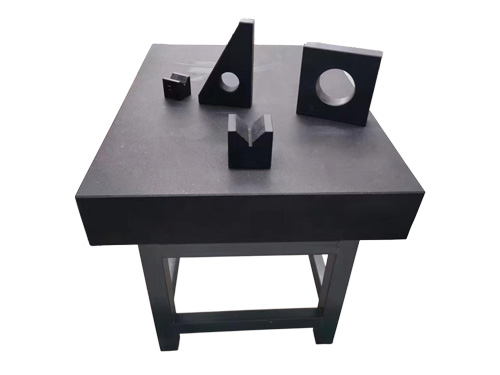
Precision Cast Iron Platform: Ideal for Inspection, Measuring & Machine Tool Use
author:hxrtools Time:2026-03-14 19:26:29 Click:95
In precision-focused industrial environments—from quality inspection labs and metrology facilities to machine tool workshops—accuracy is non-negotiable. Inspection, measuring, and machine tool operations rely on a stable, ultra-flat work surface to ensure reliable results, consistent performance, and adherence to strict quality standards. A precision cast iron platform is purpose-built to meet these demands: engineered for exceptional flatness, crafted from high-grade cast iron, and designed specifically to serve as the ideal base for inspection, precision measuring, and machine tool alignment. This article explores why precision cast iron platforms are indispensable for these applications, their key features, and how they elevate your precision workflow.


Why Inspection, Measuring & Machine Tool Use Demand a Precision Cast Iron Platform
Inspection, measuring, and machine tool operations are unforgiving of instability or inaccuracy—even the smallest deviation in the work surface can lead to faulty measurements, misaligned tools, rejected components, and costly rework. Standard workbenches lack the rigidity, flatness, and dimensional stability required to support precision tasks, making them unsuitable for these critical applications. Precision cast iron platforms stand out as the ideal solution because they combine the inherent advantages of cast iron—rigidity, density, and wear resistance—with specialized manufacturing processes that deliver ultra-high flatness and dimensional stability. Unlike steel or aluminum surfaces, cast iron minimizes vibration, resists warping, and maintains consistent flatness over time, even under heavy tool loads or changes in temperature. For tasks like component inspection, precision measuring with calipers/micrometers, or machine tool alignment, a precision cast iron platform isn’t just a tool—it’s the foundation of accurate, reliable results.
The Core Advantage: Precision Tailored for Inspection, Measuring & Machine Tools
The “precision” of a cast iron platform isn’t accidental—it’s the result of careful material selection, advanced engineering, and rigorous manufacturing processes. Here’s what makes it perfectly suited for inspection, measuring, and machine tool use:
1. High-Grade Cast Iron Construction (HT200/HT250)
Precision cast iron platforms are crafted from premium cast iron grades, typically HT200 or HT250, chosen for their uniform density, exceptional rigidity, and low thermal expansion coefficient. These properties ensure the platform resists flexing or deformation, even when supporting heavy measuring tools, inspection equipment, or machine tool components. The dense structure also absorbs vibration—critical for precision measuring, where tool chatter can skew results, and machine tool alignment, where stability is key to optimal performance.
2. Ultra-Flat Surface (Accuracy Grade 0-3)
The defining feature of a precision cast iron platform is its ultra-flat working surface, manufactured to meet strict accuracy grades (typically Grade 0 to Grade 3, per ASTM and industrial standards). Through precision grinding and scraping processes, the surface achieves flatness tolerances as tight as 0.01mm per square meter, with uniform contact spots (often 20-30 spots per square inch) that ensure maximum contact with workpieces, measuring tools, or machine tool bases. This flatness eliminates gaps or unevenness that would compromise inspection or measuring accuracy.
3. Stress-Relief Heat Treatment
To ensure long-term dimensional stability, precision cast iron platforms undergo dual stress-relief treatments: artificial annealing (at 600-700°C) and natural aging (2-3 years). This dual process relieves internal stresses caused during casting, preventing warping or distortion over time—even when exposed to temperature fluctuations in industrial environments. For machine tool use, this stability ensures consistent alignment, while for inspection and measuring, it guarantees reliable, repeatable results.
Key Features of Precision Cast Iron Platforms for Inspection, Measuring & Machine Tools
Precision cast iron platforms are engineered with features specifically tailored to the unique needs of inspection, measuring, and machine tool operations, enhancing accuracy, versatility, and durability. Here are the most critical features:
1. Precision-Ground & Scraped Surface
The working surface undergoes both precision grinding and hand scraping—a meticulous process that refines flatness and creates uniform contact spots. This ensures the platform provides a consistent, stable base for measuring tools (such as micrometers, dial indicators, and coordinate measuring machines) and inspection equipment, as well as a secure mounting surface for machine tool components.
2. Dimensional Stability & Low Thermal Expansion
High-grade cast iron has a low thermal expansion coefficient, meaning it retains its shape and flatness even when temperatures fluctuate—critical for precision applications where thermal distortion can ruin measurements or machine alignment. This stability ensures the platform performs reliably in any industrial environment, from climate-controlled inspection labs to busy machine shops.
3. Wear & Corrosion Resistance
Precision cast iron platforms feature a wear-resistant surface that resists scratches and damage from measuring tools or machine components. Many are also treated with anti-rust coatings (such as rust-converting agents or powder coating) to protect against corrosion—essential for inspection and measuring applications, where surface imperfections can compromise accuracy.
4. Adjustable Leveling Feet
Even minor unevenness in the floor can affect platform flatness. Precision cast iron platforms come with adjustable leveling feet, allowing you to fine-tune the surface to absolute flatness, regardless of the shop or lab floor condition. This is critical for machine tool alignment and precision measuring, where every fraction of a millimeter matters.
5. Fixture Holes & Tapped Surfaces
Many precision cast iron platforms include built-in fixture holes or tapped surfaces, enabling secure mounting of measuring tools, inspection fixtures, or machine tool components. This eliminates movement during use, ensuring accurate results and consistent machine performance.
How a Precision Cast Iron Platform Enhances Inspection, Measuring & Machine Tool Workflows
Investing in a precision cast iron platform transforms your precision-focused workflows, delivering tangible benefits that improve accuracy, productivity, and quality control:
·Accurate, Repeatable Results: The ultra-flat, stable surface ensures consistent measurements and reliable inspection outcomes, reducing rework and component rejection rates. For machine tools, this stability translates to precise alignment and improved machining accuracy.
·Increased Productivity: The platform’s fixture holes and stable base speed up tool setup and workpiece positioning, eliminating time spent adjusting for instability. It also serves as a versatile surface for multiple tasks—inspection, measuring, and machine tool alignment—reducing the need for specialized workbenches.
·Long-Term Reliability: Dual stress-relief treatment and high-grade cast iron construction ensure the platform maintains its flatness and stability for 10+ years, even with daily use. This durability reduces downtime and replacement costs compared to low-grade precision surfaces.
·Versatility: Suitable for a wide range of precision applications—from small-component inspection and handheld measuring to large machine tool alignment and coordinate measuring machine (CMM) mounting—making it a valuable addition to any precision-focused facility.
Why Our Precision Cast Iron Platform Stands Out for Inspection, Measuring & Machine Tools
Our precision cast iron platform is engineered specifically for the demands of inspection, measuring, and machine tool operations, with every feature designed to deliver uncompromising accuracy and reliability:
·Premium HT200/HT250 Cast Iron Construction: Crafted from high-grade cast iron for exceptional rigidity, low thermal expansion, and dimensional stability—perfect for precision applications.
·Ultra-Flat Precision Surface: Available in Accuracy Grade 0-3, with precision grinding and scraping to achieve flatness tolerances of 0.01mm/m² and 20-30 uniform contact spots per square inch.
·Dual Stress-Relief Treatment: Artificial annealing (600-700°C) plus natural aging (2-3 years) eliminates internal stresses, ensuring long-term flatness and stability.
·Anti-Rust & Wear-Resistant Finish: Powder coating or rust-converting agent protects against corrosion and wear, preserving surface accuracy for years.
·Calibration Certified: Each platform comes with calibration certification, guaranteeing compliance with ASTM standards and stated accuracy grades.
Elevate Your Precision Workflows with the Ideal Cast Iron Platform
Inspection, measuring, and machine tool operations demand a work surface that matches their precision—and a precision cast iron platform delivers exactly that. Our platform combines high-grade materials, rigorous manufacturing, and precision engineering to provide a stable, ultra-flat base for accurate measurements, reliable inspections, and optimal machine tool performance. Invest in the ideal precision cast iron platform and take your quality control, measuring, and machine tool operations to the next level of accuracy and efficiency.
References
GB/T 7714:HT200-HT250 Cast Iron Platforms: Hardness (HB170-240) and Application in Precision Measuring & Inspection. Journal of Precision Engineering
MLA:Precision Grinding & Scraping Technology: Flatness Control (0.01mm/m²) and Contact Spot Standards for Inspection Platforms. Journal of Mechanical Engineering
APA:Ribbed & Box-Type Structural Design of Precision Cast Iron Platforms for Machine Tool Alignment. Journal of Manufacturing Processes
 HOT PRODUCTS

 CONTACT US
—— E-mail:project@haoranmj.com
—— Whatsapp:+86 18932785670
—— Tel:+86 18932785670
—— Add:Across from Sanjing Distillery on Road 4, Botou Economic Development Zone, Cangzhou City, Hebei Province