







News Detail
Precision Welding Platform for Modern Fabrication Workshops
author:hxrtools Time:2026-07-03 14:25:12 Click:122
When it comes to professional welding operations, the foundation you work on matters just as much as the equipment you weld with. A precision welding platform provides the flat, stable, and durable surface required to achieve consistent weld quality across a wide range of industrial applications. Whether you are outfitting a new fabrication shop or upgrading an existing facility, investing in a high-quality welding table can directly influence your output quality, worker safety, and overall productivity.
What Makes a Welding Platform Precision-Grade
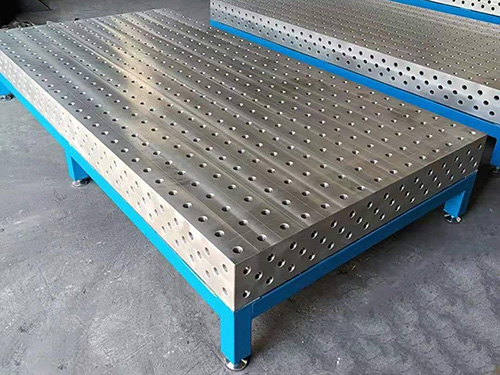
Not every welding table on the market delivers the same level of performance. Precision-grade platforms are manufactured to strict flatness tolerances, typically within 0.05mm per meter, ensuring that components align perfectly during assembly and welding operations. The most reliable platforms are constructed from high-grade cast iron or machined granite, both of which offer excellent vibration dampening and long-term dimensional stability. A T-slot pattern on the working surface allows fabricators to secure workpieces using a variety of clamps, stops, and fixtures, making the platform adaptable to almost any welding scenario.
The weight of a quality cast iron welding table also contributes to its stability. Heavier platforms resist movement during heavy welding operations, reducing vibration that could compromise joint accuracy. For workshops handling large-scale structural steel components, a substantial welding platform is not optional—it is a necessity.
Industrial Applications for Welding Tables
Welding platforms serve a broad spectrum of industries beyond basic metal fabrication. Aerospace component manufacturers rely on precision welding tables to assemble flight-critical structures where tolerance stack-up is a serious concern. Shipbuilding yards use extra-large welding platforms to position hull sections and stiffeners before final welding. Automotive frame builders depend on modular welding tables with T-slot configurations to quickly reconfigure setups between different vehicle models and production runs.
In the energy sector, pipeline fabricators use heavy-duty welding platforms to hold pipe sections in position during circumferential welds. The flat, level surface ensures that pipe ends are properly aligned, which is critical for weld integrity in high-pressure applications. Bridge construction and steel structure erection also benefit significantly from precision welding platforms, as these projects demand exact fit-up between large structural members.
Selecting the Right Welding Platform for Your Facility
Choosing a welding platform involves several key considerations. First, evaluate the size of the workpieces and assemblies you typically handle. A platform that is too small will force workers to improvise unsupported setups, while an excessively large platform wastes valuable workshop floor space. Consider platforms available in standard dimensions as well as custom configurations designed for specific production requirements.
Next, examine the surface finish and flatness specifications. Precision-ground surfaces provide the best results for detailed fabrication work, while blast-cleaned surfaces offer greater grip for rougher applications. The T-slot pattern is particularly important if your operation involves frequent changes to workpiece positioning—ensure the slot spacing matches the fixtures and clamps you plan to use.
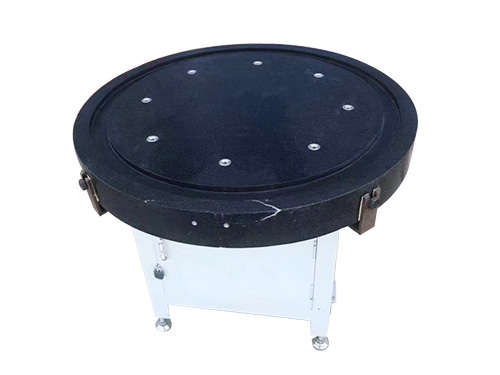
Material choice is another decision point. Cast iron remains the industry standard for most heavy fabrication applications due to its superior durability and vibration absorption. Granite welding platforms are favored in metrology and inspection environments where thermal stability is a concern. Some manufacturers also offer flexible welding platforms that allow two-dimensional or three-dimensional reconfiguration, which is ideal for prototype shops and custom fabrication departments.
Partnering with an Experienced Welding Platform Supplier
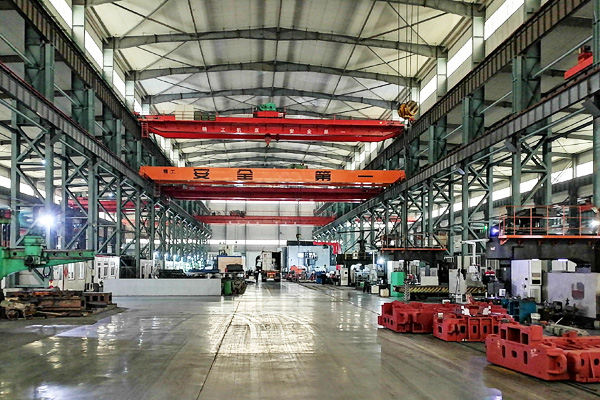
Working directly with a manufacturer rather than a middleman distributor often results in better pricing, more customization options, and stronger technical support. Reputable manufacturers maintain in-house casting, machining, and quality inspection departments, giving them complete control over every step of the production process. This vertical integration ensures that each welding platform leaving the factory meets exact specifications before shipment.
When evaluating suppliers, look for manufacturers with documented quality management systems, demonstrated experience across multiple industries, and the capacity to produce both standard and custom configurations. A reliable supplier will provide detailed dimensional drawings, material certifications, and flatness inspection reports with each platform they deliver.
Extending the Service Life of Your Welding Platform
Proper maintenance practices keep a precision welding platform performing at its best for decades. Avoid placing freshly welded hot workpieces directly on the platform surface, as localized heating can cause warping over time. Use appropriate heat shields or cooling blocks when working with high-heat processes. Keep the T-slots clean of slag, spatter, and debris, as accumulated material can interfere with fixture positioning.
Regularly inspect the surface flatness using a precision level or straightedge, and have the platform resurfaced if measurements fall outside acceptable tolerances. Many manufacturers offer professional resurfacing services that restore worn platforms to original specifications, making this a cost-effective alternative to full replacement.
A precision welding platform is a foundational investment for any fabrication operation. By understanding your specific requirements and working with an experienced manufacturer, you can select a platform that delivers consistent, reliable performance year after year.
References:
American Welding Society. (2019). AWS D1.1/D1.1M: Structural Welding Code—Steel. Miami, FL: American Welding Society.
ISO. (2019). ISO 2768-1: General Tolerances—Part 1: Tolerances for Linear and Angular Dimensions Without Individual Tolerance Indications. International Organization for Standardization.
ASM International. (2015). ASM Handbook, Volume 6: Welding, Brazing, and Soldering. Materials Park, OH: ASM International.
 HOT PRODUCTS

 CONTACT US
—— E-mail:project@haoranmj.com
—— Whatsapp:+86 18932785670
—— Tel:+86 18932785670
—— Add:Across from Sanjing Distillery on Road 4, Botou Economic Development Zone, Cangzhou City, Hebei Province